SITUATION
Things get hot in rotary kilns, very hot in fact. In the production of cement, for example, the thermometer measures more than 1,000 degrees Celsius.
Things get hot in rotary kilns, very hot in fact. In the production of cement, for example, the thermometer measures more than 1,000 degrees Celsius.
The pipe diameters of the furnaces range from half a meter to more than eight meters. The challenge is to seal off the two pipe openings. For example, fire-hot process gases and cool outside air must be reliably separated from each other.
Rotary kilns from EagleBurgmann make sustainable contributions to environmental protection, energy efficiency and process reliability under high-temperature conditions.
Things can get hot in rotary kilns – very hot, in fact. For example, when it comes to manufacturing cement, the mercury often rises above 1,000 degrees Celsius. Despite these “volcanic” conditions, sealing systems from EagleBurgmann make lasting contributions to environmental protection, energy efficiency and process safety.
“If you want to picture what a rotary kiln looks like, imagine a large horizontal tube that slowly rotates,” says Jasmin Einhardt, Head of Product Management for Packings and Gaskets at EagleBurgmann. The kilns’ diameters range from half a meter to more than eight meters. “Our job is to seal the two ends of the tube,” she explains. This mostly involves the reliable separation of scorching hot process gases from the cool outside air. On the one hand, the toxic gases generated by processes at work in the kiln’s core cannot be allowed to escape into the atmosphere, polluting the environment. On the other, no outside air can be allowed to penetrate the system; this would disrupt the process and require additional primary energy to heat the cold outside air that was inadvertently introduced.
Just how important the sealing system’s quality is in light of sustainability aspects becomes clearer when you consider other applications of rotary kilns. They are used e.g. in the incineration of hazardous waste, a process in which no toxic gases can be emitted to the environment unfiltered. And it’s a similar story in the case of pyrolysis, which uses high temperatures to break down old tires or PET bottles for recycling, or to reclaim motor oil.
This recycling reduces the consumption of valuable natural resources. But it would also literally amount to playing with fire if the seals couldn’t withstand the extreme operating conditions. To be precise: thanks to several clever design elements and cooling measures, the seals are “only” exposed to temperatures of up to 300 degrees Celsius.
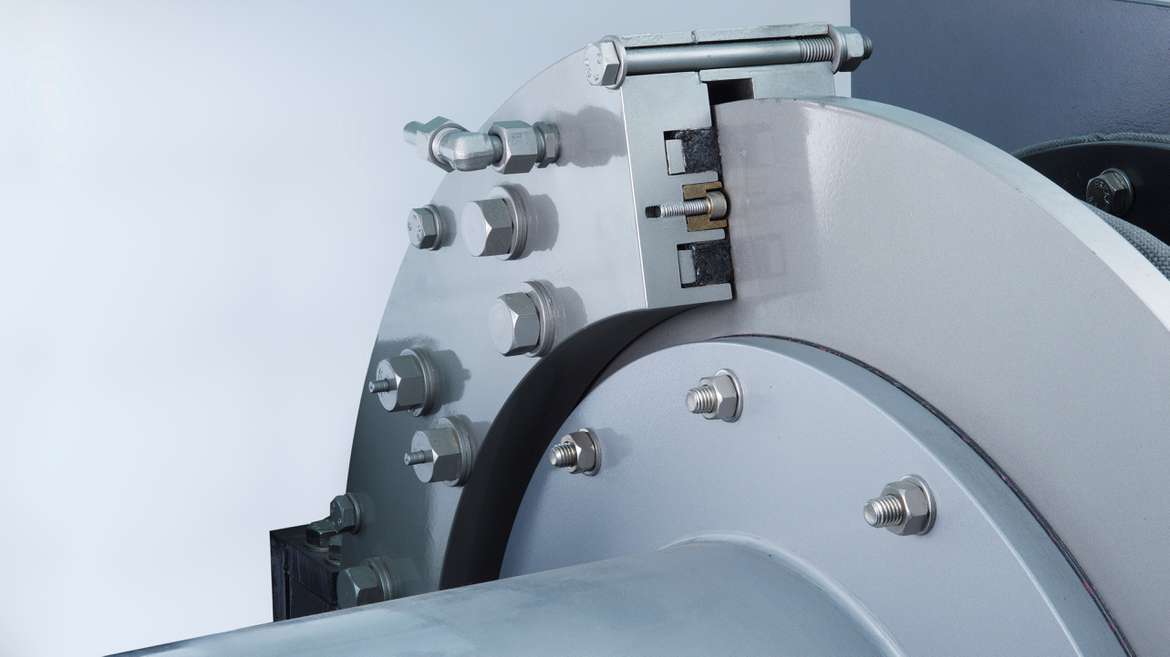
“Our seals consist of a proprietary carbon-fiber-based material with a special coating for better sealing and low friction values,” explains Application Engineer Markus Ittner. The seal housing for a rotary kiln rests on a rotating disc, just as a brake caliper does on a car’s brake disc. Pre-loaded springs hold the seals against the disc, providing the requisite contact pressure. EagleBurgmann’s sealing material is also self-lubricating, which minimizes friction losses and reduces the amount of primary energy needed to run the system. This aspect, too, makes the seals particularly sustainable.
The comprehensive package that EagleBurgmann offers for kiln manufacturers and plant operators also includes an expansion joint, which compensates for the expansion of the kiln shell produced by the tremendously hot process gases. Given the growing emphasis on environmental safety and energy efficiency, EagleBurgmann’s sealing system is becoming a more and more appealing choice for plant operators.

Things get hot in rotary kilns, very hot in fact. In the production of cement, for example, the thermometer measures more than 1,000 degrees Celsius. Sealing systems from EagleBurgmann, a company of the Freudenberg Group and EKK, make sustainable contributions to environmental protection, energy efficiency and process reliability under these "fiery" high-temperature conditions.
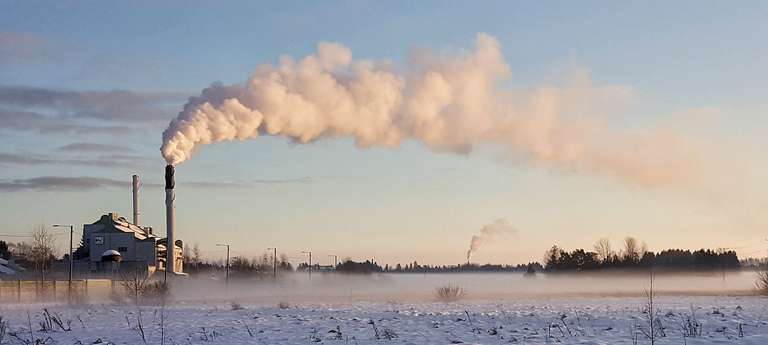
A boiler circulation pump in a power plant conveys very hot and pressurized water. The pump has no cooling jacket, which increases the risk of a thermosiphon effect.

Pharmaceutical manufacturers like the Bayer AG rely on mechanical seals in their manufacturing plants.
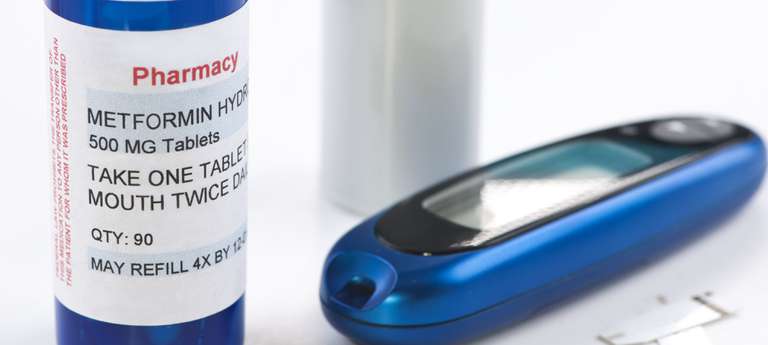
When the process medium in the production of metformin may not be contaminated with sealing medium under any circumstances, gas-lubricated seals for agitator shafts are the first choice. The Norwegian company Vistin Pharma took a daring step away from oil-lubricated to nitrogen overlayed seals.
The reliability of centrifugal compressors in gas grids are of the highest social and economic importance for network operators. Compressor performance and availability are closely related to the effectiveness of sophisticated compressor shaft sealing technology. Here, EagleBurgmann developed a new sealing concept which ensures better compressor availability: the coaxial separation seal CobaSeal.